HOW THEY FORM
Nacre around a start
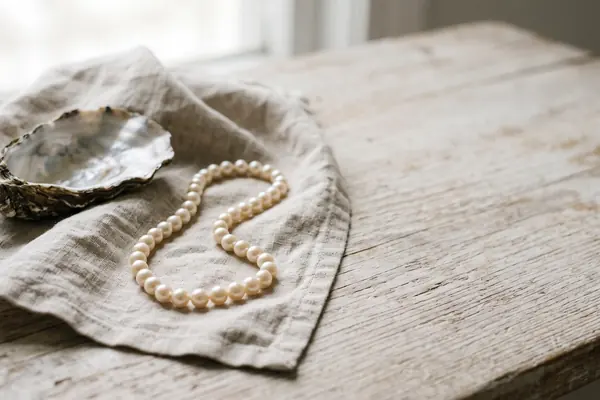
GIA says natural pearls form around a microscopic irritant with no human help. Cultured pearls start from a bead or a piece of tissue put in by a technician.
See the numbers jewelstap
Start
THE ONLY GEM GROWN BY AN ANIMAL
A pearl is grown, not mined.
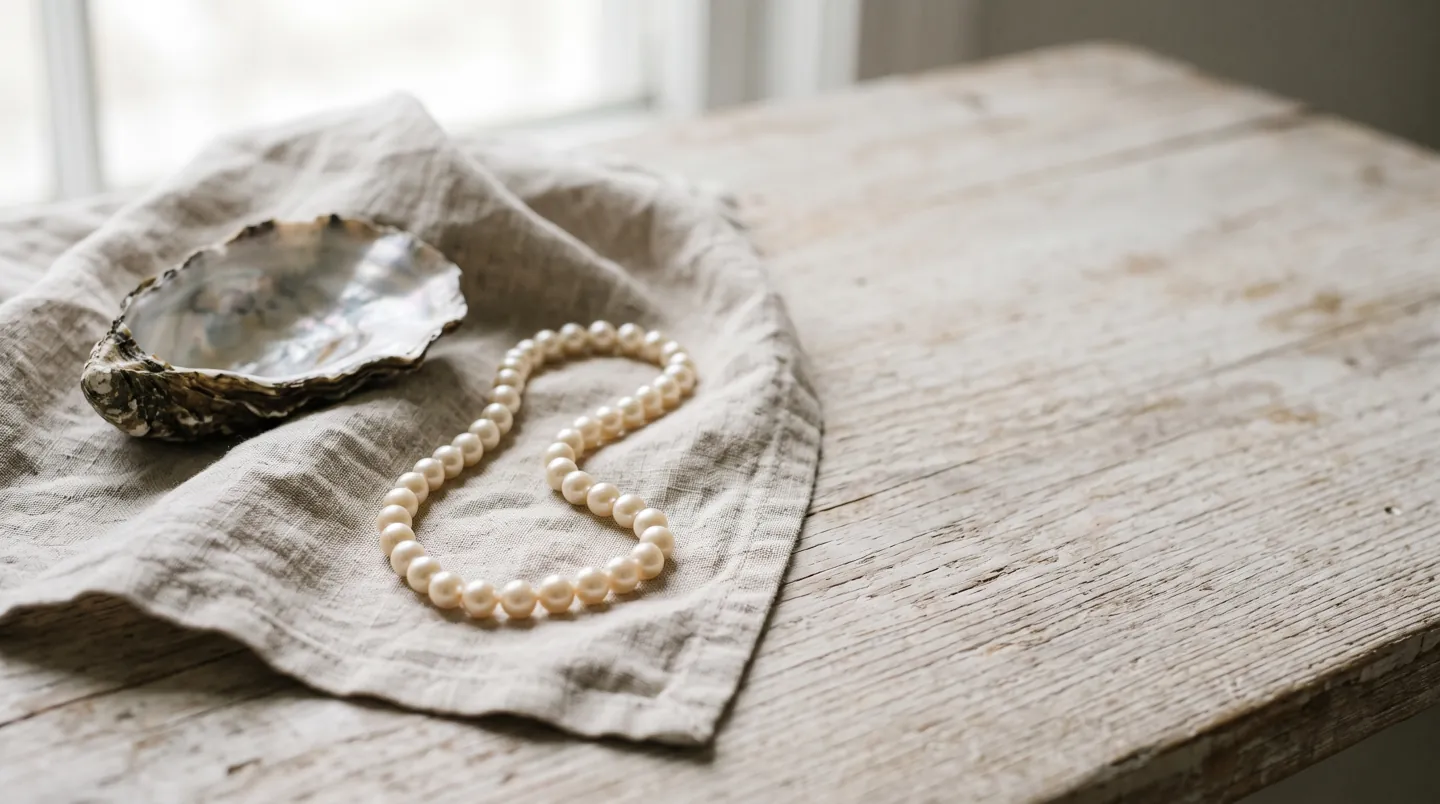
A mollusc coats an irritant, a bead or a piece of tissue in layer after layer of nacre. That makes pearls beautiful, and also soft: they need gentler care than almost any other jewel.
NACRElayer on layer
Check your careKeep in mind
THE SHORT ANSWER
Natural or cultured, a pearl is nacre.
The difference is whether people helped it start.
HOW THEY FORM
GIA says natural pearls form around a microscopic irritant with no human help. Cultured pearls start from a bead or a piece of tissue put in by a technician.
See the numbersCARE
Pearl is only 2.5 on the Mohs scale. GIA warns that acids, perfume, hair spray, cosmetics and even sweat can damage it.
Check your careIN BRITAIN
The freshwater pearl mussel is critically endangered. NatureScot says it is illegal to disturb, injure, take or kill one.
Read moreA QUICK CARE CHECK
Pick something that might come into contact with a pearl to see what the gem experts say. The bar shows how much of a risk it is.
Based on the GIA Pearl Care and Cleaning Guide. For valuable or antique pieces, ask a qualified jeweller.
TWO NUMBERS WORTH KNOWING
One figure on how fragile pearl is,
one on the long-lived British mussel that can make one.
2.5 Mohs
Pearl on the Mohs scale
GIA ranks pearl at 2.5 on the Mohs hardness scale, which it describes as very soft and easily scratched or abraded. Diamond, for comparison, sits at the top of the scale.
HARDNESS · GIA
100+ years
Age a freshwater pearl mussel can reach
NatureScot says freshwater pearl mussels can grow as large as your hand and live for more than 100 years, making them one of the longest-lived invertebrates. Only very occasionally does one bear a pearl.
LIFESPAN · NATURESCOT
GIA lists pearl as calcium carbonate (CaCO₃) with a Mohs hardness of 2.5 to 3.0. NatureScot figures from its freshwater pearl mussel page, updated January 2026.
FOUR HABITS TO TRY
Pearls need no special kit. Most care is about keeping chemicals, heat and harder jewels away from a soft surface.
Step 1
Let perfume, hair spray and make-up settle first, because GIA lists all of them as things that can damage pearl.
Step 2
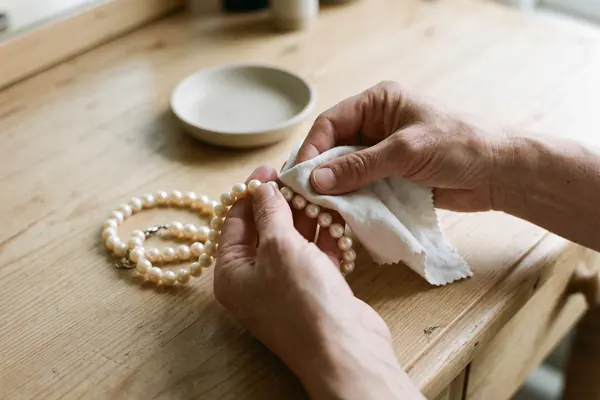
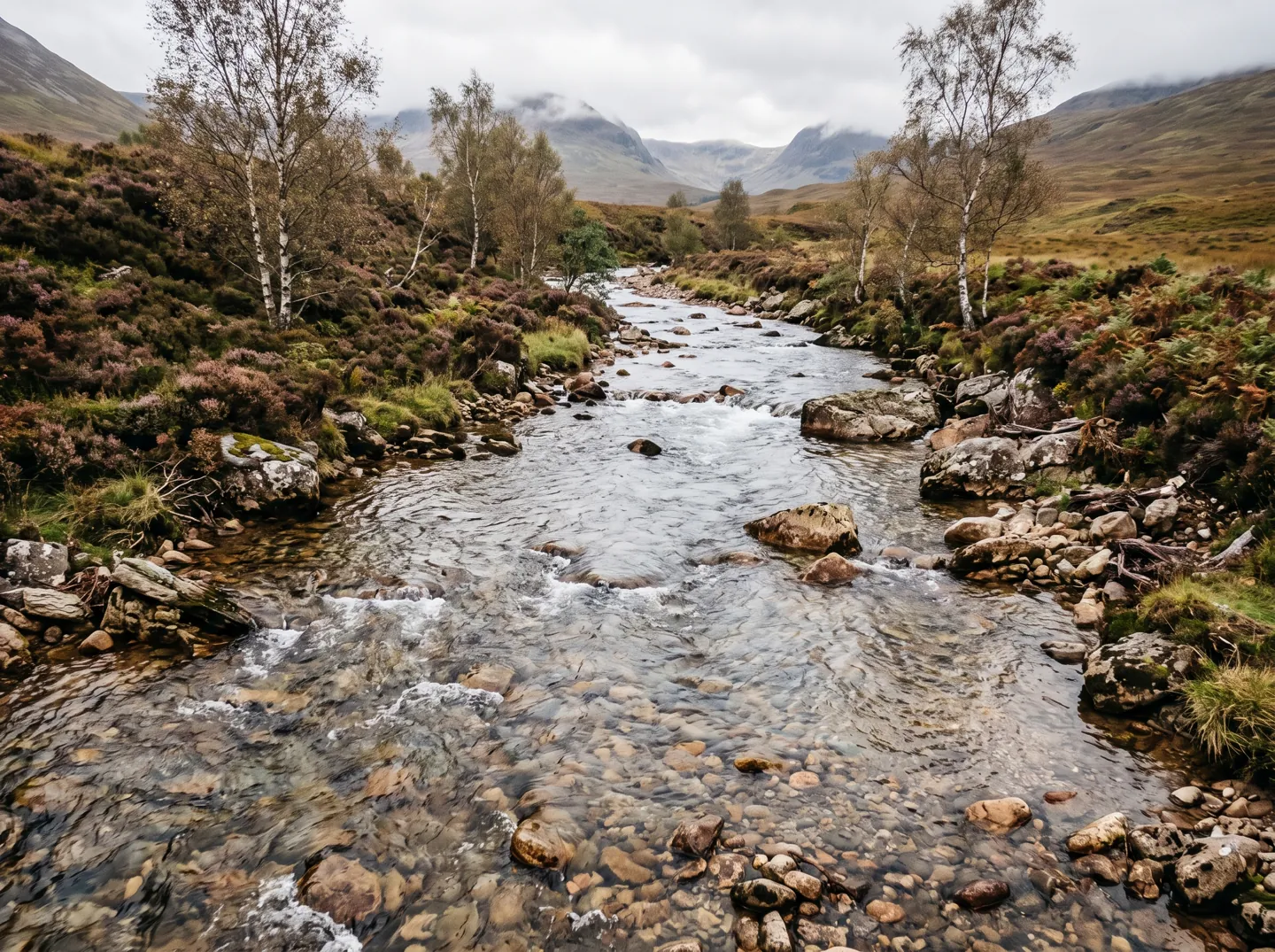
A very soft, clean cloth removes sweat and skin oils before they can do harm.
Step 3
Warm, soapy water is fine for an occasional clean. Never use an ultrasonic or steam cleaner.
Step 4
If your pearls are strung, make sure the string is completely dry before you wear them again.
BRITAIN'S OWN PEARLS
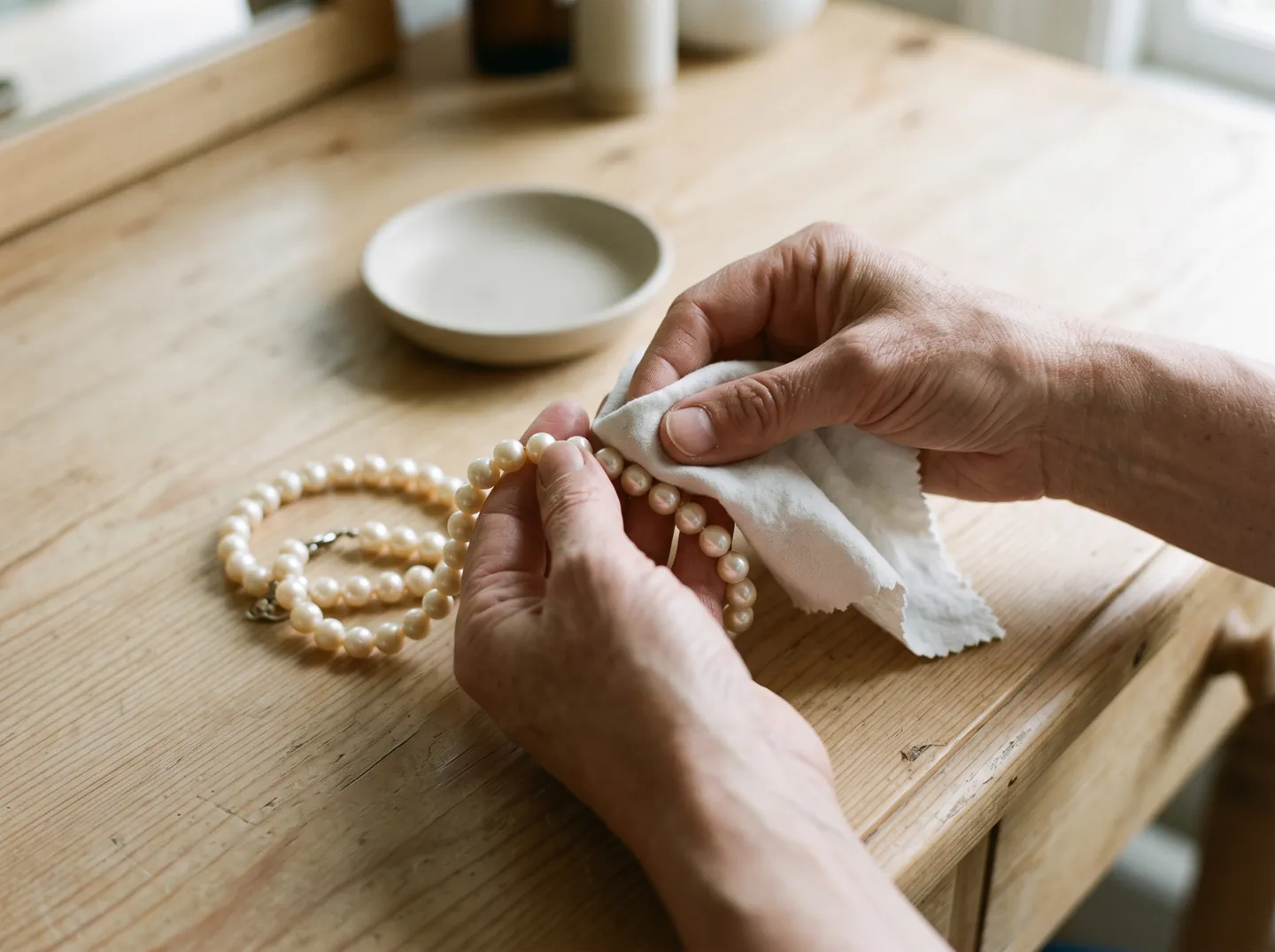
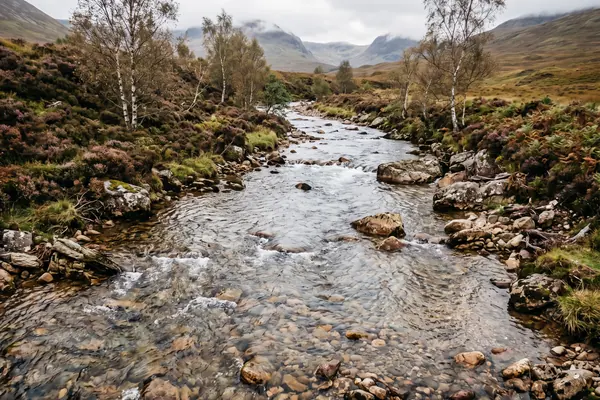
Rivers of Europe were once a major source of natural pearls. In Scotland, NatureScot says the freshwater pearl mussel declined from the 18th century and, between 1970 and 1998, vanished from about two Scottish rivers a year, mainly through pearl fishing, pollution and habitat damage.
It has had full legal protection since 1998, and Scotland holds many of the world's most important populations. The Pearls in Peril project (2012 to 2017) worked on 21 rivers across Scotland, England and Wales. NatureScot asks anyone who sees suspicious activity at such a river to call Police Scotland on 101.
Questions
Both are made of nacre laid down by a mollusc. GIA says a natural pearl forms around a microscopic irritant without any human help, while a cultured pearl starts when a technician inserts a shell bead with a piece of mantle tissue, or tissue alone, and the mollusc coats it.
GIA names four: akoya (Japan and China), South Sea (Australia, Indonesia and the Philippines), Tahitian (French Polynesia, often called black pearls) and freshwater (mostly China), which are the most commonly produced.
GIA advises wiping them with a very soft, clean cloth after each wearing and using warm, soapy water only for an occasional thorough clean. Never use an ultrasonic or steam cleaner, and let a strung necklace dry completely.
GIA uses seven value factors: size, shape, colour, lustre, surface quality, nacre quality and, for jewellery with several pearls, matching. It says lustre might be the most important, and round is the hardest shape to culture.
No. The freshwater pearl mussel is critically endangered, and NatureScot says it is illegal to disturb, injure, take or kill one. Illegal pearl fishing is still the main threat, and it is a UK wildlife crime priority.
Destination
ABOUT THIS NAME
jewelstap.com is part of the DoodleSale portfolio. It isn't in an auction right now, but you can ask about leasing it.